

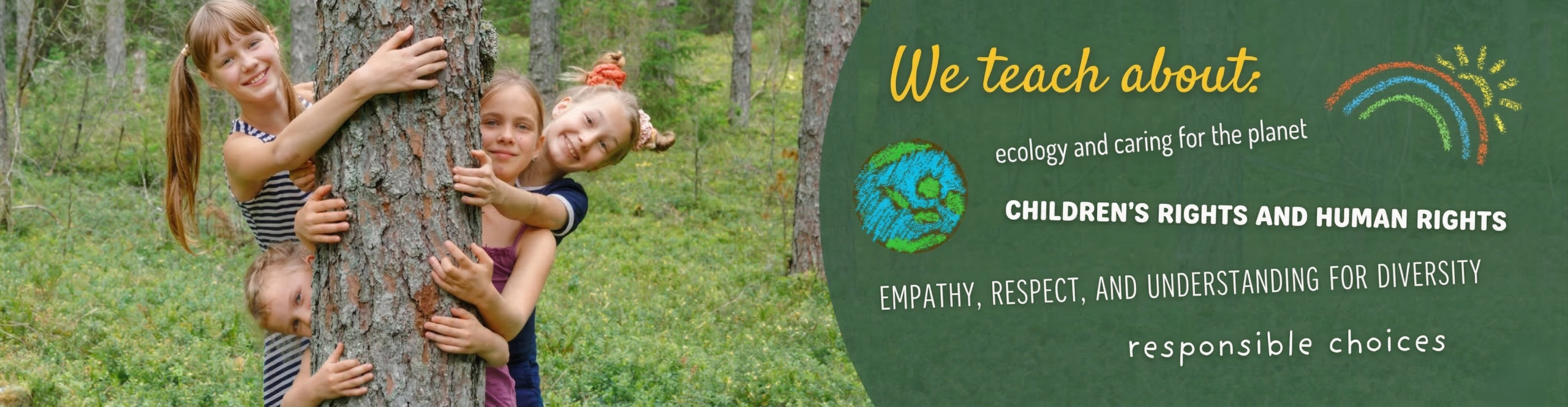
At the To Proste Foundation, we work every day to inspire the youngest generation — encouraging creativity, openness to the world, and care for nature and other people. We create educational materials that support children’s development and, at the same time, serve as valuable tools for parents, educators, and teachers.
On the Tup Tup Tup platform, you’ll find games, activities, fairy tales, lesson plans, and other teaching resources focused on the Sustainable Development Goals. Best of all, all content is completely free. Your support through the 1.5% tax donation will allow us to continue our mission and keep publishing new, meaningful resources for children.
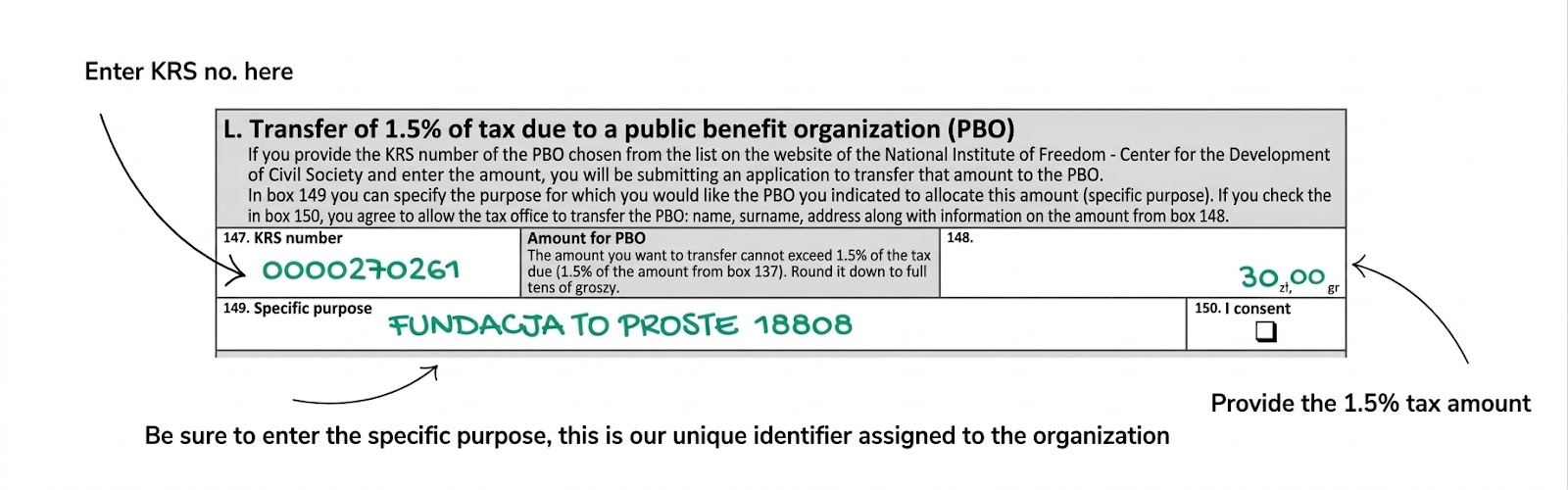
How to File Your PIT and Support Us — It’s Simple!
We’ve put together easy step-by-step guidance on how to direct 1.5% of your tax to our foundation. If you have any questions, we’re here to help — just write to our team at: biuro@toproste.org


What We Do — and Why Your Support Matters
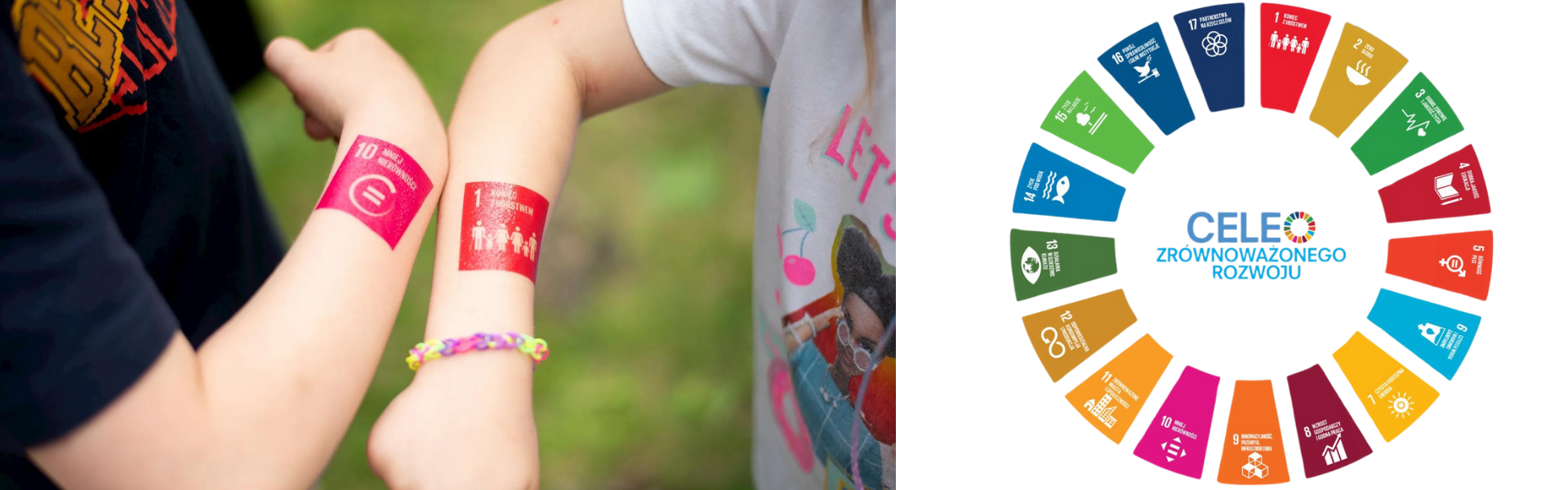
Did you know that 1 in 3 Polish secondary school students has never encountered the concept of “sustainable development” in class? And that around 15% of students think what schools currently do on this topic is already enough?
In our daily work, we aim to bridge that gap. We promote sustainable development through innovative educational programmes. We offer teacher training, workshops for children, and city walks. Through our educational platform, we engage and inspire action for the environment. Your 1.5% tax donation helps us keep doing all of this.
Why Education About the SDGs Is So Important
-
- Children form their worldview early
Early years shape attitudes for life. Without learning about nature, equality, human rights, and cultural diversity, children absorb stereotypes from their surroundings rather than from education. - Environmental education is not yet systemic
In schools, it often comes down to one-off events — Earth Day, a clean-up campaign. What’s missing is ecology as a consistent way of thinking and a lasting habit. - Children rarely learn about the impact of consumption
Kids see advertisements and new toys every day, but they’re seldom taught where things come from, what happens to waste, or why sharing and consuming less matters. - Empathy and a sense of justice are shaped early
Childhood is precisely when empathy develops. If we don’t teach children respect for others and human rights early on, they more easily adopt stereotypes and “us vs. them” thinking. - Intercultural understanding is underdeveloped
Materials and opportunities to encounter different cultures are scarce. As a result, children learn about the world one-sidedly — which reinforces fear of the “other”. - Teachers need more support
Teachers frequently lack the materials, time, and methodological guidance needed to teach the SDGs effectively. - Schools are not keeping up with the world
The world is changing faster than school curricula. Without SDG education, children won’t be prepared for the challenges of climate change, global migration, and digital threats. - Facts alone are not enough — skills matter too
The SDGs teach not just knowledge, but also action: recognising information, making decisions, and influencing local communities. - Good habits are easiest to build in childhood
Pro-social and eco-friendly habits form most naturally during the early years of life.
- Children form their worldview early
Did you know that around 72% of teachers believe climate education in schools is insufficient — and a similar share of parents agree? Only about 14% of students rate this education as good.
Why we’re asking for Your help
Public funding alone doesn’t cover all of our activities. To keep the educational platform running and up to date, and to create new publications, trainings, games, and activities for young children, we need additional support.
Your decision — their future. Donate 1.5% of your tax and let’s show children together how to make the world a better place!